


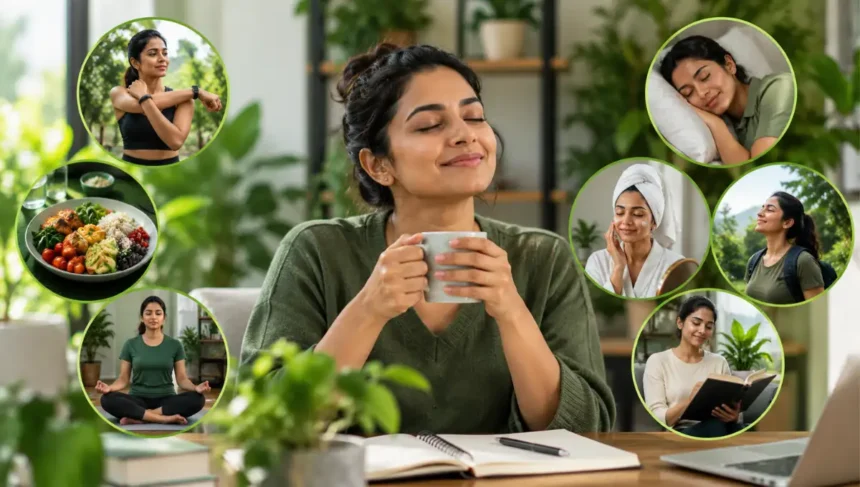
Why Is Self-Care Important for Physical and Mental Health?
Self-care gets dismissed by some as an indulgent buzzword, all bubble baths and scented candles, and treated by others as an unquestionable cure-all. Neither view is accurate. Real self-care is a set of intentional, often unglamorous habits with genuine, measurable effects on both your mental and physical health. Here is what it actually involves and why it matters more than the trend cycle suggests.
Self-care means taking the time to do things that help you live well and improve both your physical and mental health. That definition, straightforward as it sounds, cuts through a lot of the confusion around a term that has become simultaneously overused and underappreciated in recent years, stretched thin by marketing while its genuine health basis often gets overlooked entirely.
Understanding self-care as a genuine health practice, not a luxury or a passing wellness trend, makes it much easier to take it seriously and build habits that actually support you, rather than chasing whatever version of self-care shows up in a given week's marketing or social media feed.
The National Institute of Mental Health defines self-care as taking time to do things that help you live well and improve both your physical health and mental health, noting that this can help manage stress, lower your risk of illness, and increase your energy. Because physical and mental health are closely interconnected, caring for one consistently tends to support the other, and small, regular acts of self-care add up meaningfully over time, without requiring a complete life overhaul.
What Self-Care Actually Means
The National Institute of Mental Health describes self-care as taking the time to do things that help you live well and improve both your physical health and mental health, specifically noting that when it comes to mental health, self-care can help you manage stress, lower your risk of illness, and increase your energy.
This definition is deliberately broad, and that is the point. Self-care is not a single category of activity, it spans everything from getting enough sleep and eating reasonably well to setting boundaries, seeking social support, and managing stress. What unifies these activities is intention, actively choosing to attend to your own wellbeing rather than running on autopilot until something breaks down, whether that break happens physically, emotionally, or both at once.
The Mind-Body Connection: Why It Matters for Both
Physical and mental health are not separate systems operating independently, they are deeply, measurably intertwined, which is exactly why self-care practices tend to produce benefits across both domains simultaneously, rather than helping one area while leaving the other unaffected.
The NIH's National Center for Complementary and Integrative Health explains that while occasional stress is a normal, healthy coping mechanism, long-term chronic stress may contribute to or worsen a range of health problems, including digestive disorders, headaches, and sleep disorders, and has been linked to depression, anxiety, and other mental illnesses. This illustrates how psychological stress translates directly into physical symptoms, and why managing it through consistent self-care practices affects more than mood alone.
This bidirectional relationship means neglecting physical needs, like sleep or movement, tends to worsen mental health over time, while chronic psychological stress shows up as very real physical symptoms. Self-care that addresses both dimensions together tends to be more effective than treating them as entirely separate concerns.
Benefits of Self-Care for Mental Health
1Reduced Stress and Anxiety
Regular self-care practices, particularly relaxation techniques, physical activity, and adequate sleep, help regulate the body's stress response, reducing the frequency and intensity of anxiety symptoms over time, rather than only providing temporary relief in the moment.
2Improved Self-Awareness
Reflective self-care practices like journaling or meditation help you notice your own needs, patterns, and emotional triggers more clearly, which is often the first meaningful step toward addressing them effectively, since it is genuinely difficult to change a pattern you have not yet recognized.
3Greater Resilience
Consistent self-care builds a stronger baseline capacity to handle difficulty, meaning you recover more effectively after setbacks rather than being derailed by them for extended periods, a quality that compounds meaningfully over months and years of consistent practice.
4Reduced Risk of Burnout
Neglecting your own needs over time, particularly under chronic stress or heavy responsibility, significantly increases risk of burnout, characterized by exhaustion, cynicism, and reduced effectiveness. Regular self-care acts as a genuine buffer against this accumulation, addressing the underlying drain before it reaches a crisis point.
Want more practical, research-backed wellness guides like this one?
Explore More on HealthZeetBenefits of Self-Care for Physical Health
The physical benefits of consistent self-care are just as real as the mental health benefits, even though they receive somewhat less attention in everyday conversation about the topic.
5Lower Cardiovascular Risk
Harvard Health Publishing reports on a 2022 review in The American Journal of Medicine, pooling data from nearly 182,000 people across six separate studies, which found optimism associated with a lower risk of cardiovascular disease. Researchers note that people with greater psychological wellbeing tend to engage in healthier behaviors, like more consistent exercise and better sleep, which likely helps explain part of the connection, alongside direct physiological pathways still being studied.
6Stronger Immune Function
Chronic stress suppresses immune function over time, making the body more susceptible to illness. Self-care practices that reduce chronic stress, including adequate sleep and regular movement, help support healthier immune response, which is part of why people under sustained stress often notice getting sick more frequently.
7Better Sleep Quality
Self-care that includes consistent sleep habits directly improves rest quality, which in turn supports nearly every other physical system, from metabolic regulation to cardiovascular health to cognitive function, making sleep arguably one of the highest-leverage self-care practices available.
8Reduced Physical Symptoms of Stress
Headaches, muscle tension, digestive discomfort, and fatigue are all common physical manifestations of chronic stress. Addressing stress through consistent self-care often reduces these physical symptoms directly, not just the underlying emotional experience, since the two are far more connected than they might initially appear.
Types of Self-Care
Self-care is not a single activity, it spans several distinct categories, and a well rounded approach generally draws from more than one rather than focusing exclusively on a single dimension of wellbeing.
- Physical self-care: Sleep, movement, nutrition, and attending to medical needs.
- Emotional self-care: Processing feelings, journaling, therapy, and practicing self-compassion.
- Social self-care: Maintaining supportive relationships and setting healthy boundaries.
- Practical self-care: Managing finances, organizing your space, and handling responsibilities that reduce background stress.
- Mental self-care: Engaging in activities that keep you intellectually stimulated and mentally sharp.
Common Self-Care Myths
A handful of persistent misconceptions make self-care harder to take seriously as a genuine health practice.
- Myth: Self-care is selfish. Attending to your own needs generally makes you more capable of showing up for others, not less.
- Myth: Self-care means expensive treats. The most impactful self-care is often free or low-cost, like sleep, movement, and boundary-setting.
- Myth: Self-care is only for people with diagnosed mental health conditions. Everyone benefits from proactive self-care, not only during a crisis.
- Myth: Self-care fixes everything. It genuinely helps, but it does not replace professional treatment for significant mental health conditions.
Signs You May Need More Self-Care
Recognizing these signs early tends to make them easier to address than waiting until they compound into something more significant.
- Persistent fatigue that does not improve with rest.
- Increased irritability, cynicism, or emotional numbness.
- Neglecting basic needs like sleep, meals, or hygiene during busy periods.
- Feeling constantly overwhelmed or unable to keep up with normal responsibilities.
- Physical symptoms like headaches, muscle tension, or digestive issues without a clear medical cause.
Practical Self-Care Strategies
Moving from concept to daily habit is often the hardest part, so here are specific, actionable strategies drawn directly from federal mental health guidance.
- Set goals and priorities, deciding what genuinely must get done and what can wait.
- Practice gratitude by specifically naming a few things you appreciate each day.
- Make sleep a consistent priority rather than the first thing sacrificed when busy.
- Stay connected with friends or family who provide genuine emotional support.
- Move your body regularly, even in small amounts, since physical activity reliably lowers stress.
- Identify and challenge unhelpful, overly negative thought patterns when you notice them.
Self-Care Is Not a Replacement for Treatment
Self-care genuinely supports mental and physical health, and can help support treatment and recovery for people managing a diagnosed mental illness, but it is not a substitute for professional care when symptoms are significant or persistent, and it is important to be honest about this limit rather than treating self-care as a cure-all.
If you experience symptoms like difficulty sleeping, appetite changes, trouble concentrating, or loss of interest in activities you usually enjoy for two weeks or more, it is worth talking to a doctor or mental health professional, rather than relying on self-care alone to resolve what may be a more significant underlying issue that deserves proper clinical attention.
Quick Reference: Types of Self-Care
| Type | Examples | Primary Benefit |
|---|---|---|
| Physical | Sleep, movement, nutrition | Energy, immune function, disease prevention |
| Emotional | Journaling, therapy, self-compassion | Emotional regulation, self-awareness |
| Social | Relationships, boundaries | Stress buffering, sense of connection |
| Practical | Organization, financial management | Reduced background stress |
| Mental | Learning, hobbies, intellectual engagement | Cognitive sharpness, fulfillment |
Frequently Asked Questions
A Genuine Health Practice, Not a Passing Trend
Self-care means intentionally taking time to do things that support both your physical and mental health, and the research backing it is genuinely substantial, touching stress regulation, immune function, cardiovascular health, and emotional resilience all at once. Because your mind and body are so closely connected, consistent self-care practices tend to produce benefits across both domains simultaneously, rather than helping only one at the expense of the other, which is precisely why treating physical and mental self-care as separate concerns tends to be less effective.
None of this requires elaborate rituals or significant time investment. Small, consistent habits, prioritizing sleep, moving your body, staying connected to others, and managing stress proactively, are what actually build the kind of resilience that helps you handle whatever life brings next, while professional support remains available and important when self-care alone is not enough.

Why Is Self-Care Important for Physical and Mental Health?
Learn why self-care genuinely matters for physical and mental health, what it…
