



20 Healthiest Fruits to Include in a Balanced Diet
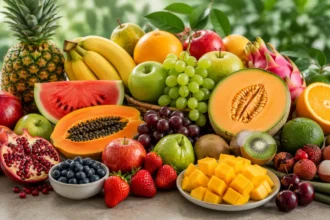
Fruit is one of the easiest wins in nutrition, naturally sweet, portable, and packed with fiber, vitamins, and antioxidants that most people simply are not getting enough of. This list breaks down 20 of the most nutrient-dense fruits worth keeping in regular rotation, what makes each one stand out, and simple ways to work them into your week.
Fruit gets an unfair reputation in some corners of nutrition conversation, treated as little more than sugar in disguise. In reality, whole fruit brings fiber, water content, and a wide range of vitamins, minerals, and plant compounds that consistently show up in research linked to better health outcomes, and most people are eating far less of it than recommended.
The distinction between whole fruit and other forms, juice, fruit snacks, dried fruit with added sugar, matters more than people often realize. Whole fruit's fiber slows digestion and blunts the blood sugar spike that concerns people about fruit sugar in the first place, which is a large part of why nutrition researchers consistently treat whole fruit very differently from processed fruit products in their recommendations.
The Centers for Disease Control and Prevention found that only 12.3 percent of American adults met recommended daily fruit intake in 2019, based on data from over 290,000 participants in the Behavioral Risk Factor Surveillance System. The agency noted that eating enough fruits and vegetables helps protect against costly, common chronic diseases, yet the vast majority of adults, including men and younger adults in particular, fall short of the recommended 1.5 to 2 cups of fruit per day.
Below are 20 fruits with particularly strong nutritional profiles, organized by category to make it easier to build variety into your diet rather than relying on the same one or two choices.
Different fruits bring different combinations of vitamins, fiber, and plant compounds called phytochemicals, which is why nutrition researchers consistently recommend variety over relying on a single "best" fruit. Berries tend to lead in antioxidant density, citrus fruits are reliable vitamin C sources, and tropical fruits like mango and papaya bring unique carotenoids and digestive enzymes. Rotating through categories, rather than eating the same fruit daily, gives your body broader nutritional coverage.
Berries
Berries consistently rank among the most nutrient-dense fruits available, prized for their high fiber content relative to calories and their concentration of antioxidant compounds called anthocyanins.
Harvard Health Publishing notes that berries, including strawberries, blackberries, cranberries, and blueberries, are particularly potent in antioxidant and anti-inflammatory activity, and recommends eating at least one and a half to two cups of diverse fruit daily to help boost overall antioxidant activity in the body.
1Blueberries
Blueberries are especially rich in anthocyanins, the antioxidant compounds responsible for their deep color, and are frequently studied for their potential role in supporting brain and cardiovascular health. A small daily serving, roughly three quarters of a cup, is enough to meaningfully contribute to your daily antioxidant intake, and both fresh and frozen varieties offer comparable nutritional value.
2Strawberries
Strawberries offer a strong dose of vitamin C alongside fiber and manganese, and their relatively low sugar content compared with many other fruits makes them an easy, versatile addition to meals and snacks. A single cup of sliced strawberries provides more vitamin C than a small orange, making them a particularly efficient choice for immune-supporting nutrients.
3Blackberries
Blackberries are among the highest-fiber fruits available, along with a strong antioxidant profile, supporting both digestive health and the broader anti-inflammatory benefits associated with berries generally.
4Cranberries
Cranberries carry a distinct tartness and are well known for compounds linked to urinary tract health, alongside a solid fiber and antioxidant profile, best enjoyed fresh or unsweetened rather than in sugary dried or juiced forms.
Citrus Fruits
Citrus fruits are a dependable source of vitamin C and a class of antioxidants called flavanones, which some research links to cardiovascular and metabolic benefits.
Harvard Health Publishing explains that citrus fruits are particularly high in the flavanones class of flavonoids, a diverse group of compounds that includes potent antioxidants shown to protect against oxidative damage and potentially reduce the risk of conditions like cardiovascular disease and diabetes.
5Oranges
Oranges deliver a substantial dose of vitamin C along with fiber and potassium, and eating the whole fruit rather than juice preserves the fiber that supports fuller, more stable blood sugar response.
6Grapefruit
Grapefruit is rich in vitamin C and lycopene, particularly the pink and red varieties, though it is worth noting grapefruit can interact with certain medications, making it worth checking with a doctor or pharmacist if you take prescription drugs regularly.
7Lemons and Limes
While rarely eaten whole, lemons and limes contribute meaningful vitamin C and flavor to meals and drinks, and their juice can be a useful way to enhance iron absorption when paired with plant-based iron sources like spinach or lentils.
Want more practical, research-backed nutrition guides like this one?
Explore More on HealthZeetTropical Fruits
Tropical fruits bring a distinct set of nutrients, including carotenoids and digestive enzymes, that are less concentrated in temperate-climate fruits.
8Mango
Mango is rich in vitamin A and vitamin C, along with fiber, and its natural sweetness makes it an easy way to satisfy a sweet craving while still contributing meaningful nutrients. A single cup of mango provides a substantial share of the daily recommended vitamin C intake, alongside beta-carotene that the body converts into vitamin A.
9Papaya
Papaya contains papain, a digestive enzyme, along with a strong dose of vitamin C and folate, and is traditionally valued in many cultures for supporting digestion. Ripe papaya eaten on its own, or paired with a squeeze of lime, is a simple way to add both flavor and nutritional variety to breakfast or a midday snack.
10Kiwi
Kiwi is unusually concentrated in vitamin C, often exceeding oranges gram for gram, and its edible seeds contribute additional fiber not found in many other fruits.
11Pineapple
Pineapple contains bromelain, an enzyme studied for its potential anti-inflammatory properties, along with a solid dose of vitamin C and manganese.
12Guava
Guava is exceptionally high in vitamin C, often surpassing citrus fruits by a wide margin, and also offers a notably high fiber content relative to its calorie count, making it a particularly nutrient-dense choice.
13Watermelon
Watermelon is over 90 percent water, making it a naturally hydrating choice, while still delivering lycopene, the same antioxidant found in tomatoes, along with vitamin C.
Orchard and Stone Fruits
Orchard and stone fruits offer reliable fiber and a range of phytochemicals, and their availability across most seasons makes them an easy, consistent choice.
14Apples
Apples are rich in fiber, particularly when eaten with the skin, along with the antioxidant quercetin, and their fiber content contributes to a steadier, more gradual blood sugar response compared with fruit juice. The saying about an apple a day has some genuine basis, given how consistently apples appear in research linked to lower cardiovascular and metabolic risk when eaten regularly as part of a varied diet.
15Pears
Pears are another strong fiber source, particularly beneficial when eaten with the skin, and their mild sweetness and texture make them an easy addition to both sweet and savory dishes.
16Cherries
Cherries, particularly tart varieties, are notably rich in anthocyanins and have been studied for their potential role in reducing exercise-related inflammation and supporting sleep quality.
17Plums
Plums offer a good source of fiber, vitamin C, and antioxidants, with dried plums, or prunes, in particular known for their traditional role in supporting digestive regularity.
Other Nutrient-Dense Fruits
A handful of additional fruits round out this list, each offering a nutrient profile distinct enough to earn a regular place in a varied diet.
18Bananas
Bananas are a well known source of potassium, important for healthy blood pressure and muscle function, along with a moderate dose of fiber and vitamin B6, making them a convenient, portable snack. Slightly underripe bananas also contain resistant starch, a type of fiber that behaves differently in digestion and may offer additional metabolic benefits compared with fully ripe fruit.
19Avocado
Avocado stands apart from most fruits with its high content of monounsaturated fat, similar to olive oil, along with fiber and potassium, offering cardiovascular benefits more typically associated with healthy fats than fruit. Its unique fat content also means it is more calorie-dense than most fruit, so a reasonable serving, roughly a quarter to half an avocado, tends to fit better into a balanced diet than eating a whole one at once.
20Pomegranate
Pomegranate seeds are rich in punicalagins, a class of antioxidants studied for their potential cardiovascular and anti-inflammatory properties, along with a meaningful dose of fiber and vitamin C in every seed-filled serving.
Simple Ways to Eat More Fruit
Given how few adults currently meet recommended fruit intake, small, practical habits tend to matter more than any single "best" fruit choice.
- Keep washed, ready-to-eat fruit visible on the counter or at eye level in the fridge.
- Add berries or sliced fruit to breakfast, whether cereal, oats, or yogurt.
- Choose whole fruit over juice whenever possible, since juice strips out the beneficial fiber.
- Keep frozen fruit on hand for smoothies, which retains most of the nutritional value of fresh fruit.
- Pack fruit as a portable snack for work, school, or travel instead of processed snack options.
- Rotate through different categories, berries, citrus, tropical, and orchard fruits, rather than relying on the same one or two choices.
Quick Reference: 20 Fruits at a Glance
| Category | Fruits | Standout Nutrients |
|---|---|---|
| Berries | Blueberries, strawberries, blackberries, cranberries | Anthocyanins, fiber, vitamin C |
| Citrus | Oranges, grapefruit, lemons, limes | Vitamin C, flavanones |
| Tropical | Mango, papaya, kiwi, pineapple, guava, watermelon | Vitamin A/C, digestive enzymes, lycopene |
| Orchard/Stone | Apples, pears, cherries, plums | Fiber, quercetin, anthocyanins |
| Other | Bananas, avocado, pomegranate | Potassium, healthy fats, punicalagins |
Frequently Asked Questions
Variety Matters More Than Finding One "Best" Fruit
No single fruit on this list is dramatically superior to the rest, each brings a slightly different mix of fiber, vitamins, and antioxidant compounds. The real value comes from rotating through categories, berries for antioxidants, citrus for vitamin C, tropical fruits for carotenoids and enzymes, and orchard fruits for reliable fiber, rather than relying on the same one or two choices out of habit.
Given how few adults currently meet recommended fruit intake, the most useful next step is simply eating more of it consistently, in whatever combination from this list fits naturally into your week.
20 Healthiest Fruits to Include in a Balanced Diet
Discover 20 of the healthiest fruits for a balanced diet, from berries…
