



What Is Mindfulness? Benefits and How to Get Started
Mindfulness gets used so often, in apps, workplace wellness programs, even toothpaste ads, that its actual meaning can get lost. It is not about clearing your mind or feeling relaxed on command. Here is what mindfulness actually is, what research genuinely supports about its benefits, and simple, practical ways to start practicing it, even with no prior experience.
Mindfulness is the practice of paying deliberate attention to the present moment, your thoughts, feelings, bodily sensations, and surroundings, without judging or trying to change what you notice. It sounds simple, and in a sense it is, but it runs directly against how most of us spend our days, thinking about the past, planning the future, or running on autopilot through routine tasks while our attention is somewhere else entirely.
Rooted in Buddhist meditation traditions and later adapted into secular clinical practice, mindfulness has become one of the most studied approaches in modern mental health research. That research paints a genuinely useful, though not miraculous, picture of what mindfulness can and cannot do, and separating the two is exactly what this guide sets out to do, without either overselling its promise or dismissing what decades of clinical study have actually found.
Mindfulness means noticing what is happening right now, thoughts, physical sensations, sounds, without getting pulled into judging it as good or bad or trying to push it away. It can be practiced formally, through seated meditation, or informally, by bringing that same quality of attention to everyday activities like eating or walking. Research from the NIH's National Center for Complementary and Integrative Health suggests mindfulness may help with stress, anxiety, depression, and sleep, though evidence for other claimed benefits remains more limited.
What Mindfulness Actually Means
At its core, mindfulness has three components: paying attention on purpose, staying anchored in the present moment rather than the past or future, and doing so without judgment. That last part is often the hardest and the most misunderstood.
Being non-judgmental does not mean feeling nothing or pretending difficult emotions do not exist. It means noticing a thought like "I am anxious about tomorrow" without immediately spiraling into a story about why that is bad, wrong, or a sign something is broken. This shift, from being caught inside a thought to observing it, is what most mindfulness practices are actually training, and it is a genuinely different mental skill from simply relaxing or distracting yourself from discomfort.
Where Mindfulness Comes From
Mindfulness has roots in Buddhist meditation practices dating back over 2,500 years, where it was cultivated as part of a broader path toward reducing suffering and developing insight. The concept traveled across many Asian Buddhist traditions long before reaching the West.
Its modern, secular popularity owes a great deal to Jon Kabat-Zinn, who developed Mindfulness-Based Stress Reduction, or MBSR, at the University of Massachusetts Medical School in the late 1970s. MBSR stripped mindfulness of specific religious framing and packaged it as a structured, eight-week clinical program, which became the basis for much of the modern research on mindfulness in medical and psychological settings. That framework is still widely used today, and most of the strongest clinical evidence for mindfulness draws directly from studies built around this same structured approach.
What Research Says About the Benefits
Mindfulness has been studied extensively over the past few decades, with a genuinely substantial body of clinical research, though the strength of evidence varies considerably by condition.
The NIH's National Center for Complementary and Integrative Health states that meditation and mindfulness practices may help reduce symptoms of anxiety, depression, and post-traumatic stress disorder, and may also benefit people dealing with insomnia and substance use disorder. The agency notes current scientific evidence suggests mindfulness meditation, which cultivates focused attention and increased awareness of the present, may help reduce stress and improve sleep, though it is careful to note evidence for conditions like chronic pain remains more mixed.
1Stress and Anxiety
According to NCCIH, a 2021 review of 23 studies involving 1,815 adults diagnosed with anxiety disorders, including generalized anxiety disorder and social anxiety disorder, found that acceptance- and mindfulness-based interventions resulted in a short-term reduction in anxiety symptoms. The researchers who conducted the review recommended further high-quality studies to better establish longer-term effects.
2Sleep Quality
NCCIH reports that a 2019 review of 18 studies found moderately strong evidence that mindfulness meditation interventions significantly improved sleep quality across a variety of groups experiencing sleep disturbances, making this one of the more consistently supported benefits.
3Depression
Multiple reviews have found mindfulness-based meditation shows positive effects on depression, both as a standalone approach and alongside other treatment, with some research suggesting these effects can last six months or longer after a structured program ends.
4Chronic Pain and Physical Conditions
Evidence here is more mixed. Some studies suggest mindfulness-based stress reduction is associated with modest improvements in pain-related outcomes, but results across different types of pain and populations remain inconsistent, and researchers generally describe this as an area needing more rigorous study before firm conclusions can be drawn about which pain conditions respond best.
Want more practical, research-backed wellness guides like this one?
Explore More on HealthzeetHow Mindfulness Is Thought to Work
Researchers propose several overlapping mechanisms for why mindfulness may produce these benefits. Regularly practicing present-moment attention appears to reduce rumination, the tendency to replay worries or negative thoughts repeatedly, which is strongly linked to anxiety and depression. Breaking this cycle of repetitive negative thinking is thought to be one of the more central mechanisms behind mindfulness's effects on mood.
Some studies have also found mindfulness practice associated with changes in physiological stress markers, including reduced cortisol and blood pressure in certain populations, alongside functional changes in brain regions involved in attention and emotional regulation. Researchers are careful to note that mechanisms are still being actively studied, and effects likely involve a combination of psychological and physiological pathways rather than one single cause, so no single explanation fully accounts for the range of benefits observed across different studies.
How to Get Started With Mindfulness
You do not need special equipment, a quiet retreat, or hours of free time to begin practicing mindfulness. A few simple approaches work well for beginners, and picking just one to start with tends to work better than trying to adopt several new habits at once.
5Start With Breath Awareness
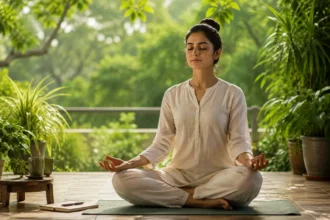
Sit comfortably, close your eyes if that feels natural, and simply notice the sensation of breathing, without trying to change it. When your mind wanders, and it will, gently bring your attention back to the breath without frustration. Even five minutes daily is a reasonable starting point.
6Try a Body Scan
Lying down or sitting comfortably, slowly bring attention to each part of your body in sequence, noticing sensations without trying to relax or change anything. This practice, common in MBSR programs, helps build awareness of physical sensations often ignored during a busy day.
7Practice Mindful Eating
Choose one meal or snack and eat it slowly, paying attention to texture, taste, and smell without distractions like your phone or television. This is an accessible way to practice mindfulness within an activity you already do daily.
8Use Guided Meditation Apps or Recordings
Guided meditations, available through many free and paid apps, can be genuinely helpful for beginners who find unstructured silent practice difficult at first, offering a voice to anchor attention until independent practice feels more natural.
9Consider a Structured Program
For a more comprehensive introduction, structured programs like Mindfulness-Based Stress Reduction, typically an eight-week course, offer a well researched, guided path into consistent practice, often with more support than self-directed practice alone provides.
Common Misconceptions and Mistakes
A few common misunderstandings tend to discourage beginners before mindfulness has a real chance to help, often because expectations do not match what the practice actually feels like day to day.
- Mindfulness is not about stopping thoughts entirely, thoughts will keep arising, and that is normal.
- It does not require religious belief, even though it has roots in Buddhist tradition.
- Feeling frustrated or restless during practice is common, especially early on, not a sign you are doing it wrong.
- Consistency in short daily sessions tends to matter more than occasional long sessions.
- Mindfulness is a skill built gradually through practice, not something you either have or do not have.
Is Mindfulness Safe for Everyone
Mindfulness and meditation are generally considered safe for healthy people, but they are not entirely without the possibility of a negative experience, something worth knowing honestly rather than assuming it is universally risk-free for absolutely everyone in every circumstance.
Research reviewed by NCCIH found that about 8 percent of participants across a large set of studies reported a negative experience related to meditation practice, a rate similar to what is reported for psychological therapies generally, with anxiety and depression being the most commonly reported negative effects. This does not mean mindfulness is dangerous for most people, but anyone with a history of trauma, psychosis, or severe mental health conditions should consider practicing under the guidance of a trained professional rather than starting entirely alone, since sitting with difficult thoughts and feelings without proper support can occasionally feel overwhelming for some individuals.
Quick Reference: Mindfulness Practices to Try
| Practice | Time Needed | Best For |
|---|---|---|
| Breath awareness | 5-10 minutes | Absolute beginners |
| Body scan | 10-20 minutes | Physical tension, sleep support |
| Mindful eating | One meal or snack | Everyday integration |
| Guided app meditation | 5-15 minutes | Structure and support |
| MBSR program | 8 weeks, structured | Comprehensive, guided introduction |
Frequently Asked Questions
A Simple Practice, Built Through Consistency
Mindfulness is ultimately a trainable skill: paying attention to the present moment without judgment, practiced through methods as simple as breath awareness or as structured as an eight-week MBSR program. Research genuinely supports its use for stress, anxiety, depression, and sleep, even as evidence for some other claimed benefits remains less certain, and it is worth approaching with realistic expectations rather than as a cure-all for every difficulty life brings.
Starting small, even five minutes of focused breathing a day, tends to matter more than finding the perfect technique or app. If you are managing a significant mental health condition, bring mindfulness into your routine alongside professional care rather than as a substitute for it, and give the practice time to become familiar before judging whether it is working for you.
What Is Mindfulness? Benefits and How to Get Started
Learn what mindfulness actually is, what research says about its benefits for…
