


What Is a Balanced Diet? Foods, Nutrients and Examples
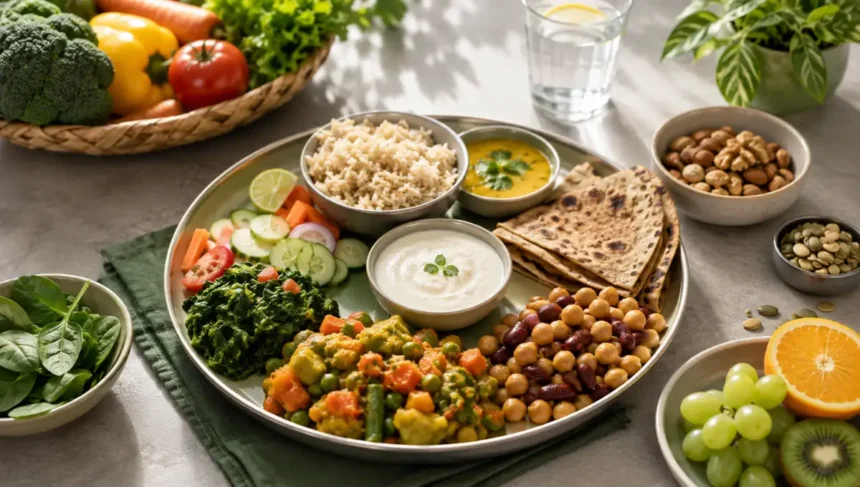
A balanced diet is one of those phrases everyone has heard but few people can define clearly. It is not a specific meal plan or a strict set of rules, it is a pattern of eating that gives your body the right mix of nutrients in the right amounts, consistently, over time. Here is what that actually looks like on a plate.
A balanced diet means eating a variety of foods in the proportions your body needs to function well, covering energy, growth, repair, and everyday regulation. It includes the right mix of macronutrients, carbohydrates, protein, and fat, along with the vitamins, minerals, and fiber that come from whole foods rather than any single food group carrying the whole load.
There is no single "correct" balanced diet that applies to everyone. Age, activity level, health conditions, and personal preferences all shape the details. What stays consistent is the underlying structure: mostly vegetables, fruits, and whole grains, a reliable source of protein, healthy fats, and limited amounts of added sugar, salt, and highly processed food.
It helps to think of balance as something measured across days and weeks rather than any single meal. One indulgent dinner or a skipped vegetable at lunch does not undo an otherwise balanced pattern, just as one healthy salad does not offset a diet that is largely built around processed food. Consistency over time is what actually determines whether a diet delivers the nutrients your body needs.
A balanced diet supplies enough energy and nutrients without excess, drawing from a variety of food groups rather than relying heavily on any one source. It includes carbohydrates for energy, protein for tissue repair and growth, healthy fats for hormone and cell function, and a steady supply of vitamins, minerals, and fiber from vegetables, fruits, and whole grains. Balance also means moderation, not eliminating entire food categories, but keeping proportions and portions reasonable.
Macronutrients: The Big Three
Macronutrients are the nutrients your body needs in relatively large amounts, since they supply the calories, or energy, that fuel everything from breathing to exercise. A balanced diet includes all three in reasonable proportion, rather than emphasizing one while eliminating another.
1Carbohydrates
Carbohydrates are the body's primary energy source, broken down into glucose that fuels the brain, muscles, and organs. The type of carbohydrate matters more than the total amount, whole grains, vegetables, fruits, and legumes digest more slowly and provide steadier energy than refined carbohydrates like white bread and sugary snacks.
2Protein
Protein supplies the amino acids needed to build and repair muscle, skin, enzymes, and hormones. Good sources include eggs, fish, poultry, legumes, dairy, and tofu, and a balanced diet generally includes protein at most meals rather than concentrating it entirely at dinner.
3Fat
Fat supports hormone production, vitamin absorption, and cell function, and it is a more concentrated energy source than carbohydrates or protein. Unsaturated fats from sources like olive oil, nuts, seeds, and fatty fish are generally favored over saturated fats from butter and fatty meats, and trans fats are best avoided almost entirely.
According to research examining the USDA's Acceptable Macronutrient Distribution Range, published through the National Library of Medicine, adults are generally advised to get 45 to 65 percent of daily calories from carbohydrates, 20 to 35 percent from fat, and 10 to 35 percent from protein. These ranges are intentionally wide, allowing for a variety of eating patterns to fit within a nutritionally balanced diet rather than prescribing one fixed ratio for everyone.
Micronutrients: Vitamins and Minerals
Micronutrients are needed in much smaller amounts than macronutrients, but they are just as essential, supporting everything from immune function to bone health to nerve signaling. Unlike macronutrients, they do not provide calories, but a diet lacking in variety can easily fall short on several of them at once.
4Key Vitamins Worth Knowing
Vitamin A supports vision and immune function, vitamin C supports collagen production and antioxidant defense, vitamin D supports bone health and immune regulation, and the B vitamins support energy metabolism and nervous system function. A varied diet rich in colorful vegetables and fruits generally covers most vitamin needs without requiring supplementation.
5Key Minerals Worth Knowing
Calcium and vitamin D work together to support bone density, iron carries oxygen through the blood, and potassium and magnesium support healthy blood pressure and muscle function. Leafy greens, dairy or fortified alternatives, legumes, nuts, and whole grains are reliable sources across this group.
6Fiber
Fiber is technically a carbohydrate, but it deserves its own mention, since it supports digestion, feeds beneficial gut bacteria, and helps regulate blood sugar and cholesterol. Vegetables, fruits, whole grains, and legumes are the primary sources, and most people benefit from increasing fiber intake gradually to avoid digestive discomfort.
Want more practical, research-backed nutrition guides like this one?
Explore More on HealthZeetThe Main Food Groups Explained
Most balanced diet frameworks organize food into a handful of core groups, each contributing a different piece of the nutritional puzzle. Thinking in terms of groups, rather than individual nutrients, makes planning meals far more intuitive day to day.
- Vegetables: Provide fiber, vitamins, minerals, and antioxidants with relatively few calories, forming the largest portion of most balanced diet models.
- Fruits: Offer fiber, vitamin C, and natural sugars alongside a range of antioxidants, best eaten whole rather than as juice.
- Whole grains: Supply fiber, B vitamins, and steady energy, favored over refined grains like white bread and white rice.
- Protein foods: Include animal sources like fish, poultry, and eggs, along with plant sources like beans, lentils, and tofu.
- Dairy or fortified alternatives: Provide calcium, protein, and vitamin D, generally recommended in moderate daily amounts.
- Healthy fats and oils: Support hormone function and nutrient absorption, best sourced from plant oils, nuts, and fatty fish.
The World Health Organization recommends at least 400 grams, or roughly five portions, of fruits and vegetables per day, noting this level of intake helps reduce the risk of noncommunicable diseases and ensures an adequate daily intake of dietary fiber. The WHO also recommends limiting free sugars to less than 10 percent of total daily calories and total fat intake to below 30 percent of calories to help prevent unhealthy weight gain.
A Visual Model: The Healthy Eating Plate
Rather than memorizing exact gram amounts, many nutrition experts recommend a simple visual model for building balanced meals. Harvard's Healthy Eating Plate is one of the most widely referenced examples.
Harvard's Nutrition Source recommends making half of your plate vegetables and fruit, aiming for color and variety, a quarter of the plate whole grains, and the remaining quarter healthy protein sources. It also recommends using healthy plant oils in moderation and choosing water as the primary beverage over sugary drinks, noting the type of carbohydrate consumed matters more than the total amount.
This model works well precisely because it does not require counting calories or weighing food. Building most meals around this rough proportion, generous vegetables, a moderate serving of whole grains, and a solid protein source, tends to naturally land you in a balanced range without much extra effort.
Balanced Meal Examples
Seeing what balance looks like in practice often makes the concept click faster than any list of nutrients. Here are a few examples across different meals.
7Balanced Breakfast
Scrambled eggs with spinach and tomatoes, a slice of whole grain toast, and a piece of fruit combines protein, fiber, healthy fat, and micronutrients in one simple meal. Greek yogurt with berries, a drizzle of honey, and a sprinkle of nuts or oats offers a similar balance for a quicker option.
8Balanced Lunch
A grain bowl with quinoa, roasted vegetables, chickpeas, and a drizzle of olive oil covers whole grains, fiber, plant protein, and healthy fat in one dish. A turkey and vegetable wrap on a whole wheat tortilla, paired with a side salad, follows the same basic structure.
9Balanced Dinner
Baked salmon with roasted broccoli and brown rice reflects the Healthy Eating Plate model directly, half vegetables, a quarter whole grain, and a quarter protein. A vegetable and lentil stir-fry with tofu, served over brown rice, offers a comparable plant-based version.
10Balanced Snacks
An apple with a tablespoon of peanut butter, a small handful of mixed nuts, or carrot sticks with hummus all combine fiber, protein, or healthy fat rather than relying on refined carbohydrates alone. Snacks are a useful place to fill nutrient gaps left by earlier meals in the day.
Common Balanced Diet Mistakes
Even with good intentions, a few patterns tend to quietly throw balance off without people realizing it. These mistakes are rarely about eating badly on purpose, they are usually small, repeated defaults that add up over weeks and months.
- Relying too heavily on refined carbohydrates, like white bread and pasta, instead of whole grain versions.
- Treating protein as an afterthought rather than including it consistently at each meal.
- Skipping healthy fats entirely out of an outdated belief that all fat is harmful.
- Eating the same few vegetables repeatedly, missing the broader range of nutrients variety provides.
- Underestimating added sugar in sauces, drinks, and packaged snacks that do not taste overtly sweet.
- Focusing on eliminating foods entirely rather than adjusting proportions and frequency.
Quick Reference: Building a Balanced Plate
| Plate Section | Approximate Portion | Example Foods |
|---|---|---|
| Vegetables and fruit | Half the plate | Broccoli, spinach, berries, peppers |
| Whole grains | Quarter of the plate | Brown rice, quinoa, whole wheat bread |
| Protein | Quarter of the plate | Fish, chicken, beans, tofu, eggs |
| Healthy fats | Used in moderation | Olive oil, nuts, seeds, avocado |
| Beverages | Primary fluid intake | Water, unsweetened tea or coffee |
Frequently Asked Questions
Balance Comes From Consistency, Not Perfection
A balanced diet is not about eating perfectly at every meal. It is about building a consistent pattern, mostly vegetables, whole grains, and healthy protein, with fats used thoughtfully and added sugar kept in check, that supplies your body with what it needs over days and weeks, not any single meal. Visual tools like the Healthy Eating Plate make this far easier to apply in real life than memorizing gram targets for every nutrient.
Start by looking at your next meal and asking whether it roughly reflects this balance: some vegetables, a reasonable protein source, and a moderate amount of whole grains. Small, consistent adjustments in that direction tend to add up to real nutritional balance over time.

How to Start Eating Healthy: 15 Simple Habits for Beginners
New to healthy eating? Start here. These 15 simple, realistic habits help…

What Is a Balanced Diet? Foods, Nutrients and Examples
Learn what a balanced diet actually means, the key nutrients and food…
